
How to Translate a Board Game or RPG Rulebook PDF and Keep It Usable at the Table
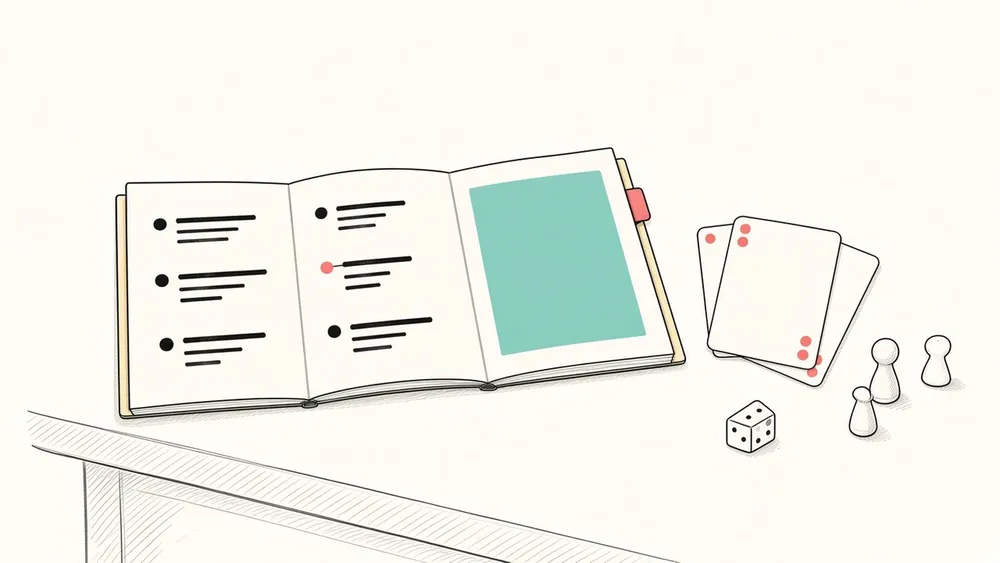
To translate a board game or RPG rulebook PDF so you can actually play from it, start with the latest digital rulebook from the publisher, translate it, and read the result next to the original. Then build a short cross-reference for the cards and components, which stay in the original language, check the icon legend, setup diagram and example turns, and pick a layout that suits the table: Top-Bottom or Side by side for teaching, Translation only for reading ahead. Text drawn inside images, such as icons, card art and illustrated diagrams, is not translated.
Why is a rulebook harder to use than other translated documents?
A rulebook is not read once from start to finish. Players learn from it, then come back mid-game to settle a question about one card, one icon or one timing word. Many players say the same thing about machine-translated rulebooks: the sentences read fluently, yet the rules are still hard to learn, because the translation is no longer connected to the pieces in the box.
Three things make rulebooks different from an ordinary manual. The cards, boards and tiles stay in the original language. Keywords such as "exhaust", "discard" or "at the start of your turn" carry exact game meanings. And much of the teaching happens in pictures: setup diagrams, icon legends and example turns. The general method for procedures and diagrams is covered in how to translate a technical manual PDF; this guide covers what is specific to games.
What should you prepare before translating?
- The current edition. Check the edition or printing printed in the rulebook and compare it with the game in your box. Publishers often post updated rulebooks, FAQs and errata as separate PDFs. Use the newest version, or translate the FAQ as well.
- A digital PDF where possible. A rulebook downloaded from the publisher normally stores its words as text. If you only have the printed booklet, you can photograph or scan the pages; see how to photograph document pages for translation. Scans and photos can be translated after you sign in with Google or an email link and verify your account. Their text is recognized first, and recognition can misread or omit content, so check card names and numbers against the page.
- Only the pages you need. For a large RPG core book, start with the character creation and core rules chapters. You can extract selected pages into a smaller PDF before uploading.
Some rulebook pages are almost entirely artwork, such as a component overview drawn as one picture. iSomor treats a page that is almost all picture, with only a few words such as a title or caption, as a scanned page and lists such pages before you start. By default they stay as they are in the translation.
How do you keep cards and components usable?
The rulebook will be in your language, but the cards on the table will not. Keep a short cross-reference: one line per card or component, with the original name exactly as printed, your translated name, and what it does. Write the original name the same way the card shows it, including capitals and punctuation, so players can find the card quickly.
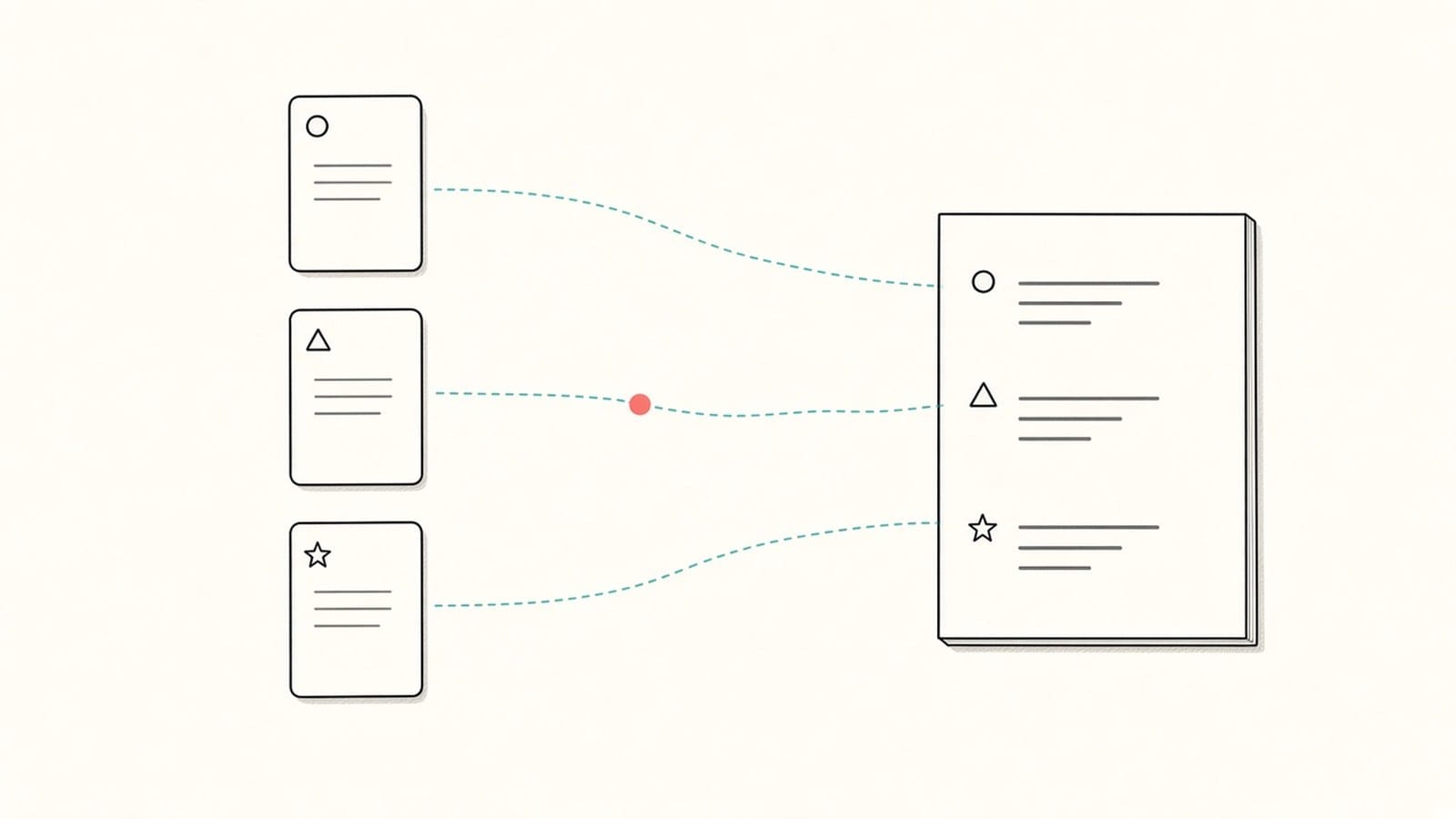
When the rulebook quotes a card's text, compare the quoted text in the original with the card itself before relying on the translation. If the rulebook and the card disagree, the publisher's FAQ or errata usually says which one applies.
How should you handle icons, keywords and example turns?
Icons. The icon legend is usually a picture with a short label beside it. The label is translated; the icon is not. Check that each translated label still sits next to the right icon.
Keywords. Make your own keyword list: the original term, the translation you will use at the table, and the rule it refers to. A translation may render the same keyword in different ways in different paragraphs, so check each keyword in the bilingual view instead of assuming it is consistent. Words that signal timing and conditions, such as "before", "after", "instead", "may", "must" and "each", deserve a second look.
Setup diagrams and example turns. Labels drawn inside a diagram image stay in the original language. Read the example turn in the translation, then follow the same example in the original step by step. If a player count, a cost or a direction differs, trust the original and note the correction.
Which download layout works best at the table?
iSomor lets you download the result in three layouts. Each suits a different moment of play.
| Layout | Best for | At the table |
|---|---|---|
| Top-Bottom | Teaching a game and checking a rule during play | Each original page with its translation one above the other; easy to scroll on a tablet |
| Side by side | Comparing card quotes, keywords and diagrams | Original and translation next to each other; works well on a wide screen or a landscape printout |
| Translation only | Reading the rules before game night | Translated pages only; keep the original nearby for card names |
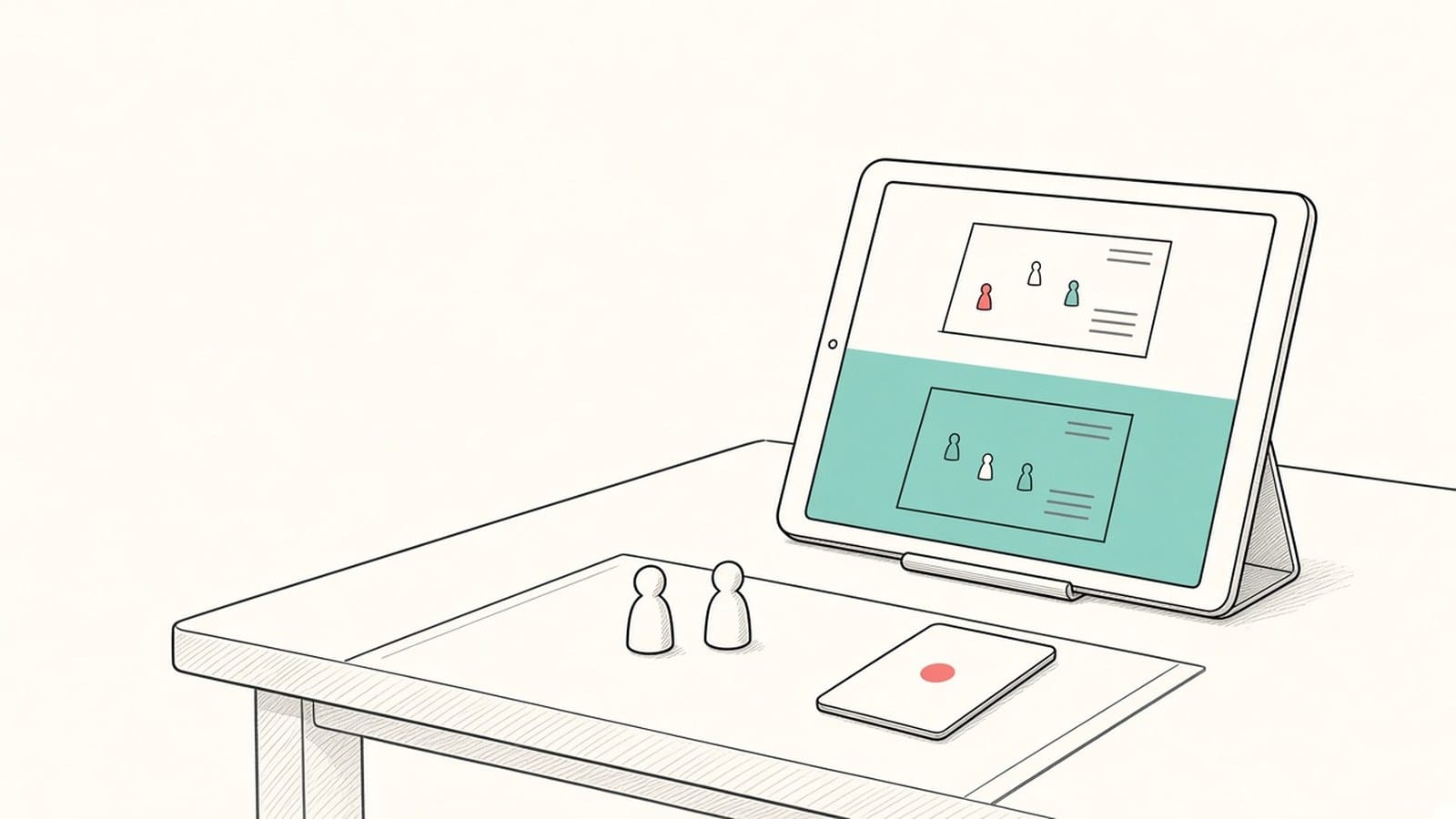
If you print, print only the pages you will look up during play, such as the turn summary, the icon legend and the end-of-game scoring, and keep the cross-reference sheet beside them. For more on reviewing both languages together, see how to create a bilingual PDF for side-by-side review.
What should you check before the first game?
- Setup: component counts, starting resources and player-count changes match the original.
- Turn order: every phase and step is present and in the same order.
- Timing words and conditions: "may", "must", "instead" and "until" kept their meaning.
- Numbers: costs, ranges, dice values and scoring tables match the original.
- Cross-references: "see page 12" or "see section 4.2" still leads to the right place in your copy.
- Cards and icons: every card name in the rulebook can be found in your cross-reference.
A structured way to run these checks is described in how to check a PDF translation against the original.
What are the limits?
- Text inside images is not translated: icons, card art, illustrated diagrams and any rules printed as a picture stay in the original language.
- The layout is kept where possible, but longer text may wrap differently, and dense pages such as reference sheets need a check.
- Scanned or photographed rulebooks depend on text recognition, which can misread small print and stylized fonts.
- The translation is a reading copy for your own group. It is not an official edition, and it does not replace the publisher's rules or rulings.
FAQ
Will the text on my cards be translated?
No. Cards are physical components, so only the rulebook PDF is translated. Keep a cross-reference with the original card names exactly as printed and their translations.
Can I translate a rulebook I only have on paper?
Yes. Photograph or scan the pages, sign in with Google or an email link and verify your account, then upload the photos or the scan. Check card names, numbers and small print against the paper booklet, because text recognition can make mistakes.
Should I translate the FAQ and errata too?
If the publisher has released them, yes. They often change how a card or rule works. Translate them as a separate file and mark the affected rules in your copy.
Can I share my translated rulebook with others?
Use it for your own play group. Rulebooks are protected by copyright, so do not post or distribute a translated rulebook without the publisher's permission. Some publishers allow fan translations on their own conditions, so ask first.
Which layout should I print?
For a game you are teaching, print the Top-Bottom pages you will look up during play. For a quick read before game night, Translation only is enough, as long as the original stays nearby for card names.
Ready to try it with your rulebook? Upload the rulebook PDF to iSomor, translate a few pages first, and compare them with the original before game night.