
How to Read a School Notice or Newsletter PDF in Your Own Language
To read a school notice written in another language, translate the PDF and keep the original next to the translation. Use the translation to understand what the school is asking, then check the original for dates, times, names, amounts and the reply deadline. If anything is still unclear, or the notice is about your child's health, safety or a formal decision, ask the school directly.
Who is this guide for?
It is for parents and guardians who live in a country where school letters arrive in a language they do not read comfortably. The school sends a newsletter, a trip letter, a permission slip or a timetable change as a PDF, and you want to know what it says and what you need to do.
Step by step
- Save the notice as a PDF. If the school sends it by email or through an app, download the attached file instead of copying the text.
- Upload the PDF to iSomor and choose your language.
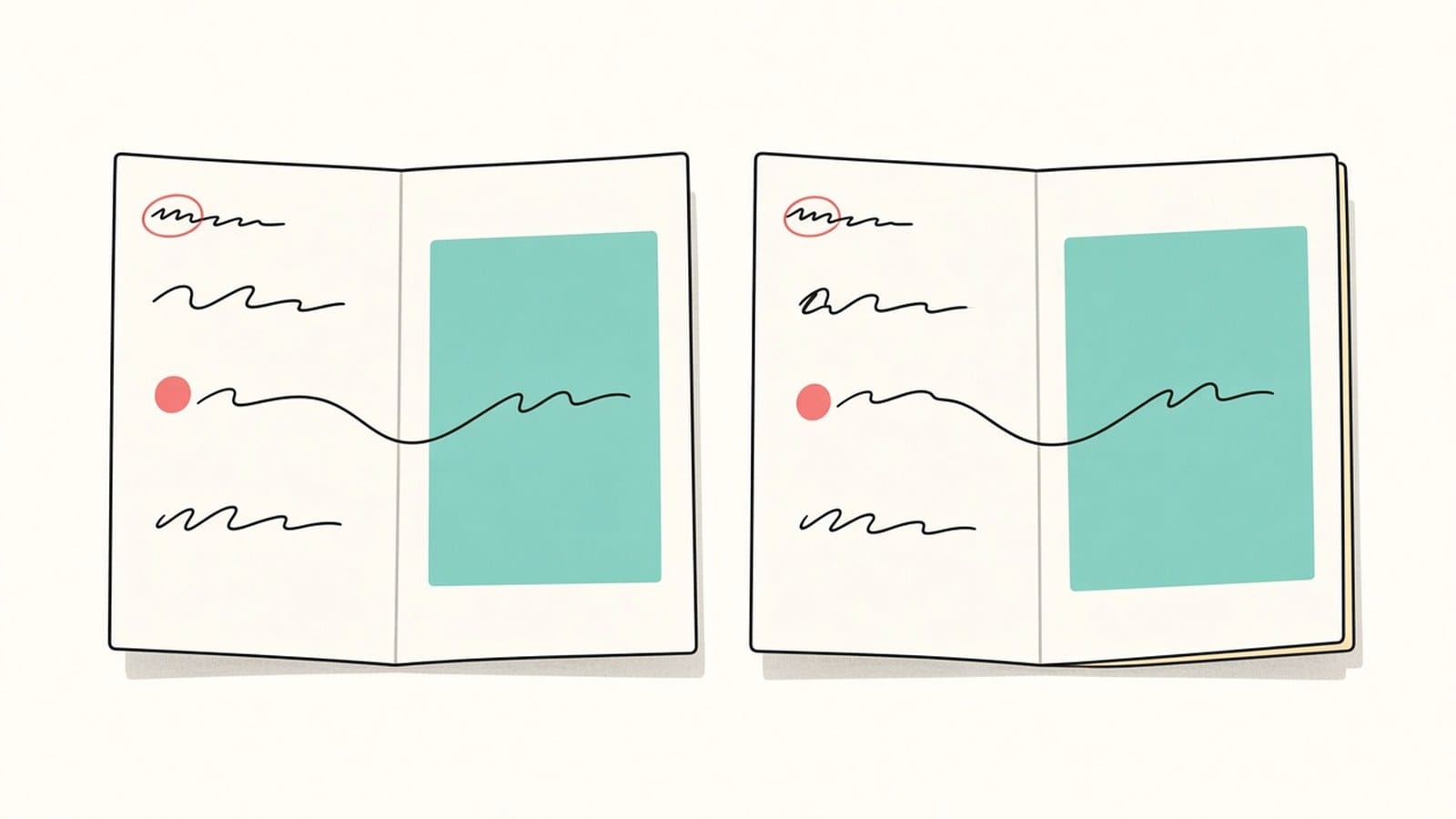
- Download the result in the Side by side layout, so each translated page sits next to the original. The setup is explained in how to create a bilingual PDF for side-by-side review.
- Read the translation once for the overall message, then go through the checklist below with both pages open.
- Write the actions in your own calendar or notes: what, when, and what to bring or send back.
What should you check against the original?
School notices are short, but the small details carry the action. Look at the original for each of these:
| Detail | Why it matters | What to do |
|---|---|---|
| Dates and days of the week | Date formats differ between countries | Match the date with the weekday in the original |
| Times | 12-hour and 24-hour clocks are easy to mix up | Write the time in your calendar as it appears in the original |
| What to bring | Item names can be translated loosely | Look at the original word and ask if you are unsure |
| Amounts to pay | A currency or number can be misread | Read the amount on the original page |
| Reply deadline and method | Missing it can mean your child misses out | Note the date and how the school wants the reply |
| Names of programs and offices | They may be kept as is or translated | Keep the original name so you can ask for it at school |
The habit of comparing key facts is covered in more detail in how to check a PDF translation against the original.
What about permission slips and reply forms?
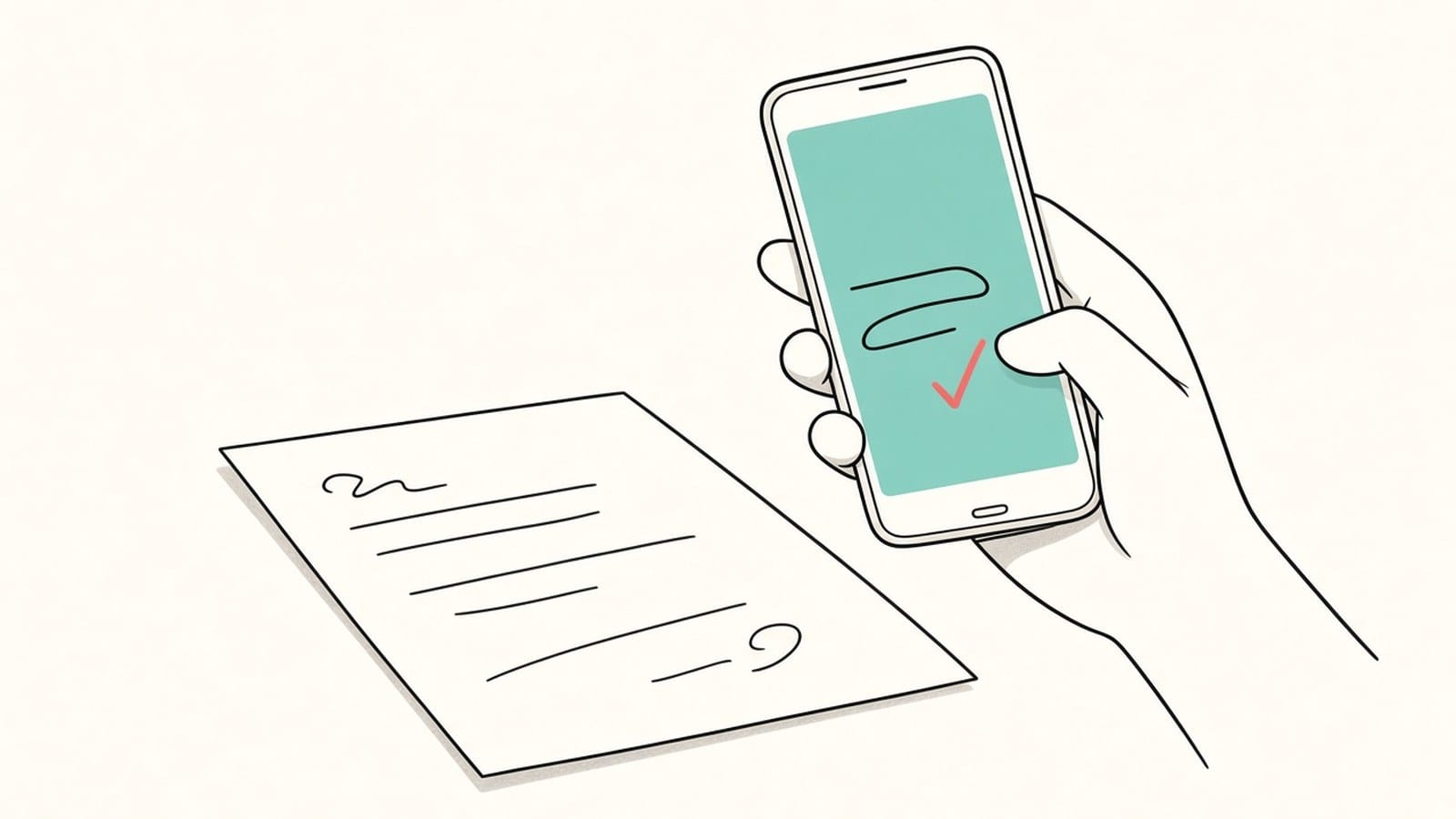
Form fields are not kept in the translation, so you cannot fill in the translated copy. Use the translation to understand each question, then fill in and sign the original form the school sent. For more on this, see how to translate a PDF form and check every field.
What about paper letters?
If your child brings home a printed letter, take a clear photo or scan of it. To translate scans and photos, sign in with Google or an email link and complete account verification. The text is recognized before translation, and recognition can misread or omit content, so check dates, times and amounts against the photo. Tips for taking good photos are in how to photograph document pages for translation.
What are the limits?
- Text inside images, logos and many flyer designs is not translated, so read those parts on the original.
- Layout is kept where possible; translated text can be longer and wrap differently on a crowded newsletter.
- The translation helps you understand the notice. It is not advice about school rules, health, safety or your rights; for those questions, contact the school.
- Notices may contain your child's personal details. Check your school's rules on sharing documents and remove pages you do not need to translate.
FAQ
Can the school give me notices in my language?
Many schools and school districts offer translated letters or an interpreter for families. Ask the school office what language help is available. In the United States, the Department of Education explains this in its fact sheet for parents with limited English proficiency.
Can I reply to the school in my own language?
That depends on the school. If you write in the school's language, keep the message short and simple, and ask for confirmation if the matter is important.
Should I rely only on the translation for an urgent notice?
No. For anything urgent, such as a safety warning, a health matter or a change to pick-up, read the original and call or message the school to confirm.
The translation says something that seems strange. What now?
Compare the sentence with the original, check the dates and names, and ask the teacher or another parent what the school meant.
Got a school letter you can't fully read? Upload the PDF to iSomor, download it Side by side, and check the dates and deadlines against the original.