
How to Read a Foreign-Language Employee Handbook PDF Side by Side

To read an employee handbook or work rules written in another language, translate the PDF and keep the original next to the translation. Then read the sections that affect you first: working hours, overtime, leave, pay, probation, conduct and resignation. Follow every reference to a separate policy, and copy hours, days, dates and amounts from the original. The translation helps you understand the rules and prepare questions. It is not a certified translation and not legal or HR advice; the original-language handbook, your HR team and, where needed, an employment lawyer are the authority.
Who is this checklist for?
It is for people who must follow rules written in a language they do not read well: a new hire at a foreign-owned company, an employee transferred abroad, or an HR or office manager at a local subsidiary who receives the head office's handbook. The goal is to know what the rules say and where they say it, so your questions to HR are specific.
This checklist does not tell you whether a rule is fair, lawful or binding on you. It shows you what to locate and compare.
Before you upload: check your company's rules
A handbook is usually an internal document, and some companies restrict sharing it outside the organisation. Before you upload it to any online tool, follow your company's information-handling policy, and ask HR or your manager if you are unsure.
Why read the translation side by side?
Workplace rules depend on small words. "Must" and "may", "working days" and "calendar days", "at least" and "up to" can change what you are entitled to or required to do. A smooth translation can blur that difference, so the original should always be one glance away. You can download the result as Side by side, Top-Bottom or Translation only; for a handbook, Side by side is usually the best choice for checking. The general setup is explained in how to create a bilingual PDF for side-by-side review.

Which sections should you read first?
| Section | What to look for | What to compare with the original |
|---|---|---|
| Working hours | Start and end times, breaks, shifts, flexible hours | Every time and length of break |
| Overtime | When overtime applies and how it is approved | Thresholds, approval steps, how it is recorded |
| Leave and holidays | Annual leave, sick leave, special leave, public holidays | Number of days, whether working or calendar days, how to apply |
| Pay | Pay day, allowances, deductions | Dates, amounts, currency |
| Probation | Length and what happens at the end | Periods and conditions |
| Conduct and discipline | Prohibited acts, types of disciplinary action | The exact list and wording |
| Resignation and termination | Notice periods, how to resign, return of company property | Periods, deadlines, who to notify |
Copy hours, days, dates and amounts from the original, never from the translation. For figures and tables, use the method in how to check a PDF translation against the original.
How do you follow references to separate policies?
Many handbooks keep details in separate documents: a pay policy, a leave policy, a travel or expense policy, a code of conduct, or an appendix with a holiday calendar. The main text often says only "as set out in the separate policy".
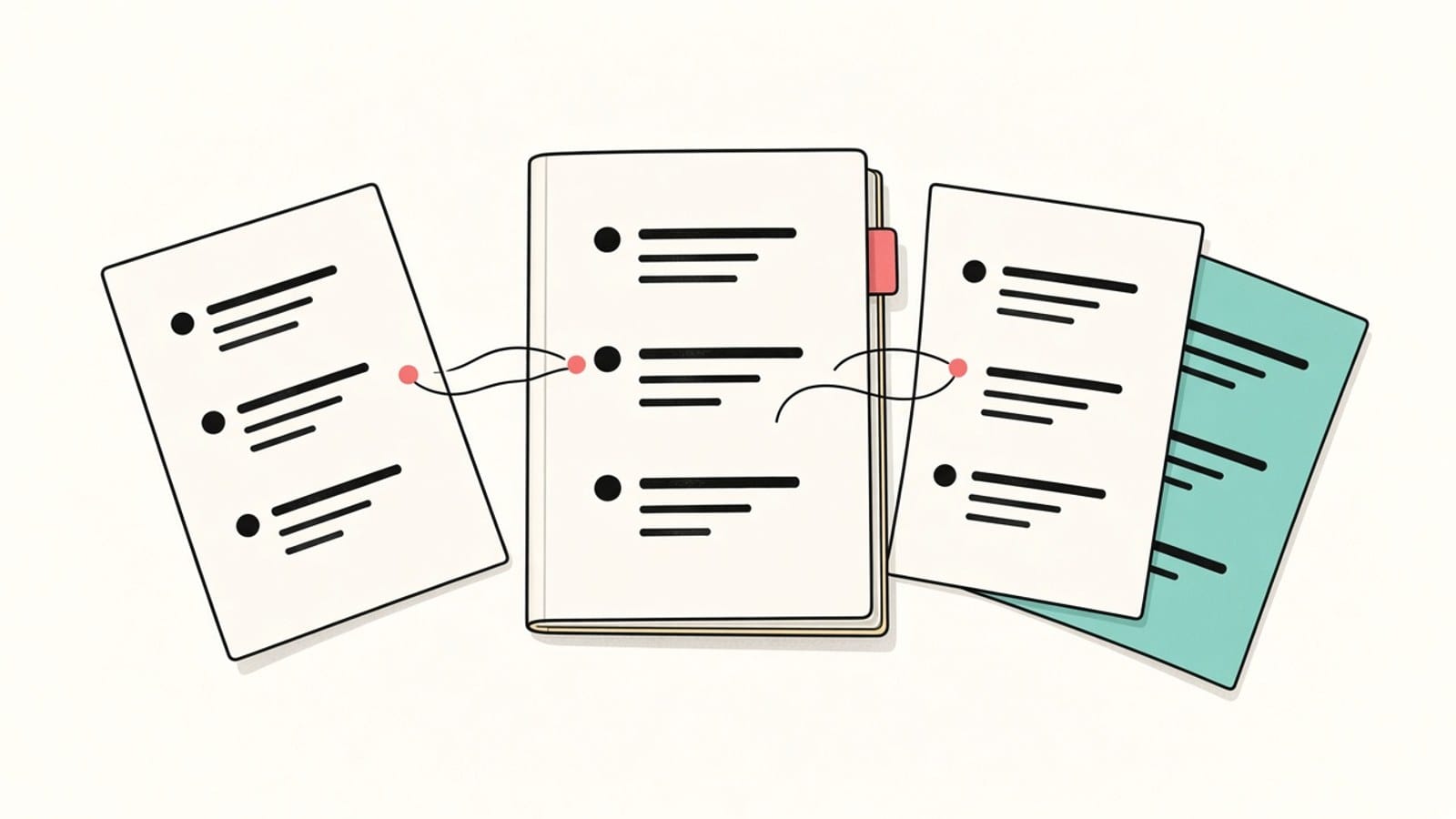
- List every separate policy or appendix the handbook mentions.
- Ask HR for any that are not in the PDF you received.
- Translate and read each one the same way, and note which rule in the handbook points to it.
- If the handbook and a policy seem to say different things, write down both places and ask HR which applies.
If the handbook and its policies run to hundreds of pages, the tips in translating a long PDF help you split the work.
How do you check key terms?
Handbooks use words with a specific internal meaning, such as "regular employee", "working day", "standard hours" or a company-specific name for a type of leave. The same term may be translated in different ways in different sections, so do not assume the wording is uniform. Note how each key term appears in the original, look at it in the bilingual view wherever it is used, and ask HR when a definition is unclear.
What about acknowledgement forms and the signature page?
Many handbooks end with a page where you confirm you have received and read them. That page in the translation is for reading, not for signing. Form fields are not kept in the translated PDF, so you cannot fill in or sign the translated copy. Complete the original through your company's usual process. For fillable forms, see how to translate a PDF form and check every field.
What about scanned or photographed handbooks?
Older or printed handbooks are often scanned. To translate scans and photos, sign in with Google or an email link and complete account verification. The text is recognized before translation, and recognition can misread or omit content, so check hours, days, dates and amounts against the page image. Read handwritten notes and stamps on the page image yourself.
What are the limits?
- It is not a certified translation and cannot replace one where a certified or official translation is required.
- It is not legal or HR advice and does not say whether a rule is lawful, fair or applies to you.
- The original-language handbook and your HR team are the authority; for disputes, ask an employment lawyer.
- Layout is kept where possible; long paragraphs can wrap differently.
- Text inside images, such as logos or stamps, is not translated.
- Form fields are not kept, so the translated copy cannot be filled in or signed.
FAQ
Can I rely on the translated handbook?
Use it to understand the rules and prepare questions. The original-language version is the one that counts, so confirm anything important with HR.
Is the translated handbook a certified translation?
No. If an authority or court requires a certified translation, use a qualified translator.
The translation seems to conflict with what HR told me. What now?
Find the passage in the original, note the section number, and ask HR to confirm in writing.
I also received a contract in another language. Is there a checklist for that?
Yes: see how to read a foreign vendor contract or NDA side by side; the same habits help with an employment contract, but ask HR or a lawyer about its terms.
Have a handbook in another language to read before your first day? Upload the PDF to iSomor, download it Side by side, and work through the checklist before you take your questions to HR.