
How to Translate a Knitting or Crochet Pattern PDF and Check Stitches and Counts
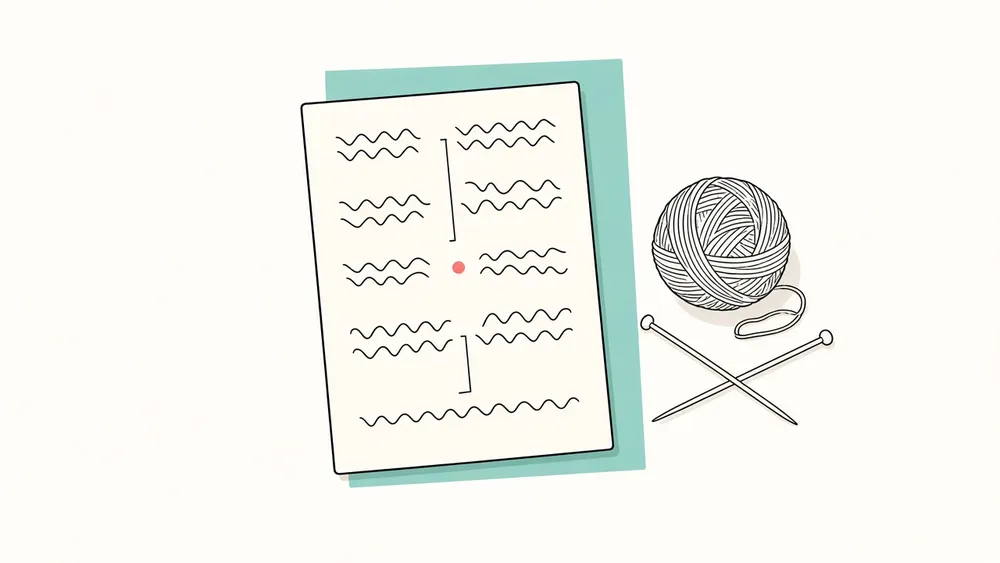
To knit or crochet from a pattern written in another language, translate the pattern PDF and keep each original page next to its translation. Use the translation to follow the instructions, then check the details that decide whether the piece comes out right on the original: abbreviations, stitch names, stitch counts, size columns, gauge, needle or hook sizes and charts. A pattern is a working document, so the counts matter more than the wording.
Who is this guide for?
It is for knitters and crocheters who bought or downloaded a pattern PDF in a language they do not read comfortably, such as a Scandinavian sweater, a German sock pattern or a Japanese amigurumi, and want to understand it well enough to start. It also helps when you were given a quick machine-translated copy and want to check it before you cast on.
Step by step
- Use the pattern PDF you received from the designer or shop directly, instead of copying text out of it.
- Upload the PDF to iSomor and choose your language. In a pattern book, you can translate only the pages you need.
- Download the result in the Side by side layout, so each translated page sits next to the original. See how to create a bilingual PDF for side-by-side review.
- Start with the abbreviation key and the materials list, then read the instructions in the translation and walk the checklist below with the original page open.
- Write your own working copy for your size: the stitch counts, repeats and measurements you checked, with the original abbreviation next to each one you were unsure about.
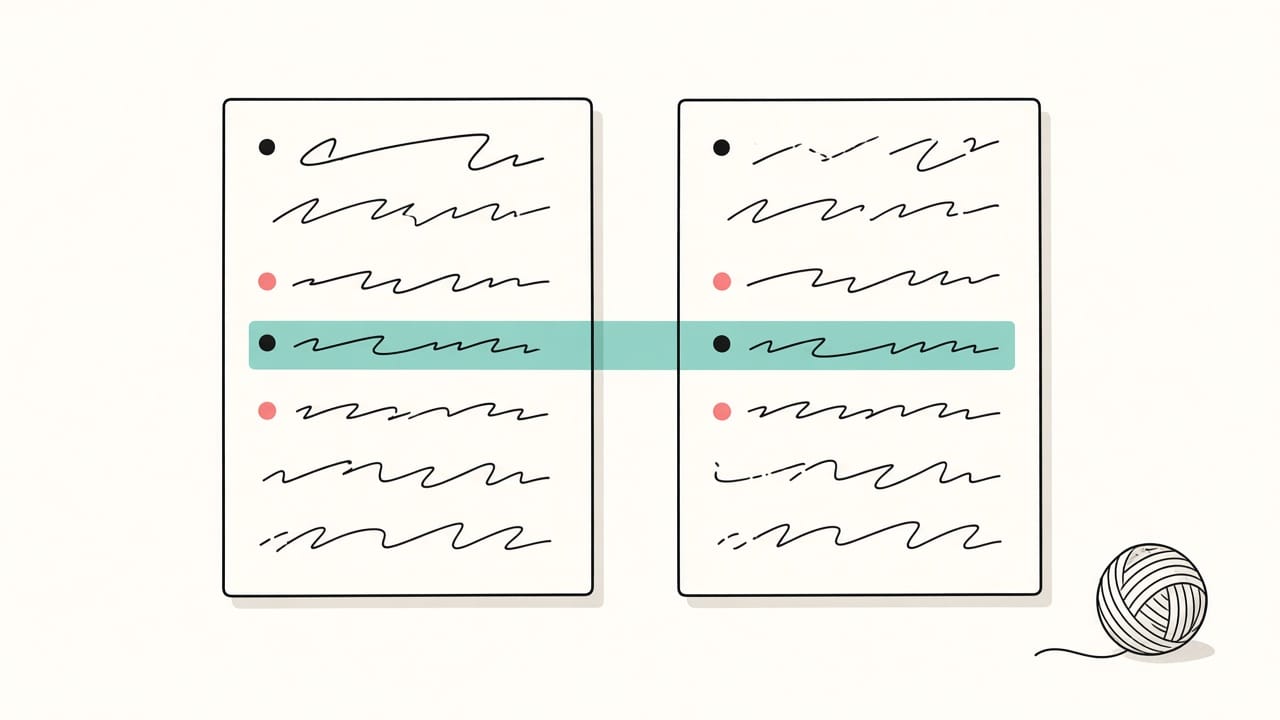
What should you check against the original?
| Detail | Why it matters | What to do |
|---|---|---|
| Abbreviations | Short forms may be kept as they are, spelled out, or translated word by word | Look each one up in the pattern's own abbreviation key on the original page |
| Stitch names | A literal translation can name the wrong stitch; in German, "rechts" in a knitting pattern means knit, not "right" | Confirm each stitch in the key or a reliable stitch dictionary before you start |
| US and UK crochet terms | The same name means different stitches: US single crochet is UK double crochet | Find out which convention the pattern uses and keep to it |
| Technique names | Names such as German short rows describe a technique, not a language | Read the technique name on the original and look it up separately |
| Stitch counts and repeats | One changed number in "56 (60, 64) sts" throws off the whole round | Read every count, bracket and repeat marker on the original |
| Size columns | Sizes are often listed in brackets in a fixed order | Mark your size on the original and follow the same position on every line |
| Gauge, needle and hook sizes | Metric and US needle sizes differ, and gauge decides the final measurements | Copy the gauge and needle or hook size from the original, then knit or crochet a swatch |
| Yarn weight and amounts | Yarn weight names and skein lengths differ between countries | Compare grams and metres or yards on the original, not the weight name alone |
Comparing key facts is covered in more detail in how to check a PDF translation against the original. When one word can mean several things, see one word, several meanings. Following a translated recipe has the same problem with measurements, as described in how to translate a cookbook PDF.
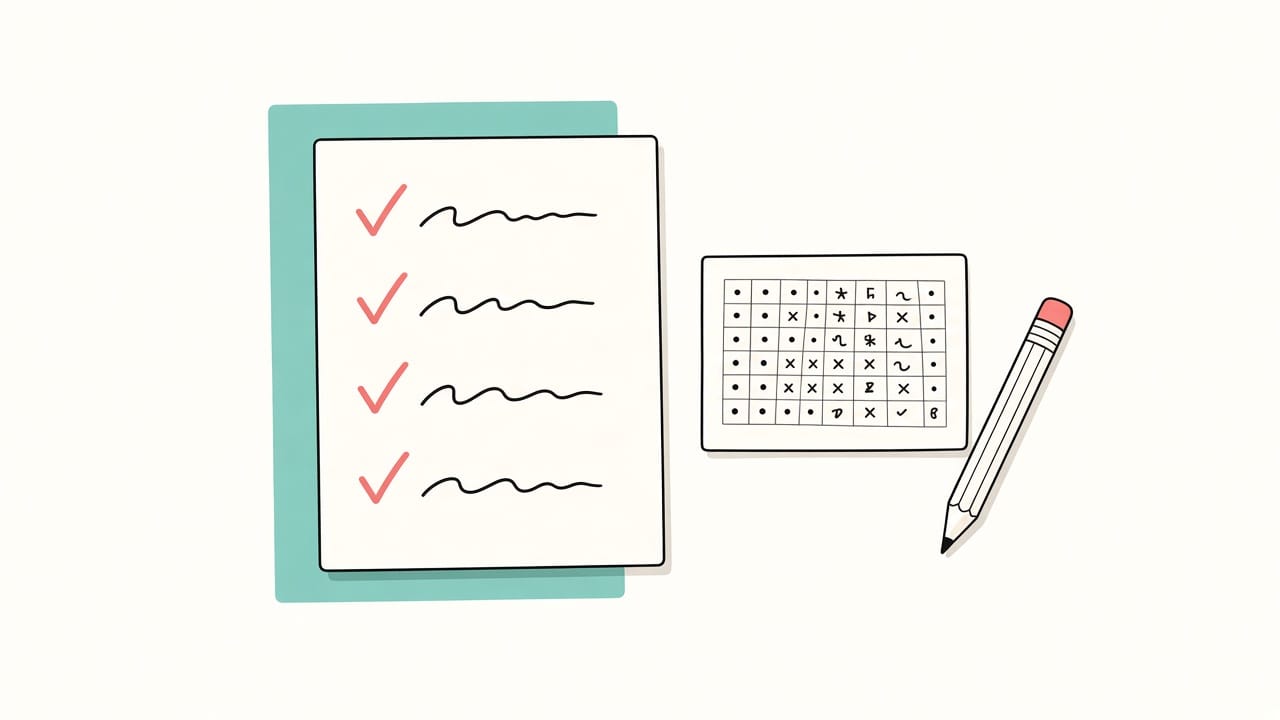
What about charts and schematics?
Charts, symbol grids and size schematics are usually drawn as images. Text and symbols inside images are not translated, so read charts on the original with the pattern's symbol key. Japanese patterns in particular often rely on charts more than on written rows. Use the translated text around the chart, such as notes on how to read it, as a guide, and check the direction of reading rows and rounds on the original.
What about a printed pattern or a magazine page?
Take a clear photo or scan of each page, flat and in good light. To translate scans and photos, sign in with Google or an email link and complete account verification. The text is recognized before translation, and recognition can misread or omit content, especially small numbers in brackets, abbreviations and handwritten notes, so check every count against the photo. Tips are in how to photograph document pages for translation and how to translate a scanned PDF.
What are the limits?
- Text inside photos, charts, schematics and decorative headings is not translated; read those parts on the original.
- Layout is kept where possible; translated text can be longer and wrap differently on dense pattern pages and in narrow columns. Two-column pages are covered in two-column PDF translation.
- Do not assume stitch counts, sizes or measurements were left unchanged. Verify each one against the original.
- Abbreviations and stitch names may be translated differently on different pages; check them in the bilingual view rather than relying on automatic consistency.
- The translation is for your own reading. A purchased pattern usually comes with the designer's terms of use, so check them before you share a translated copy.
FAQ
Will the abbreviations come out right?
Do not count on it. Abbreviations are short and depend on the craft, so a translation may leave them as they are, spell them out or turn them into ordinary words. Keep the pattern's own abbreviation key open on the original and check each one the first time it appears.
Can I knit straight from the translated PDF?
Use it to understand the instructions, then knit from a working copy you checked. If the translation says one thing and the original count says another, follow the original and ask the designer if it is still unclear.
Does the translation convert centimetres to inches or change sizes?
Do not expect it to. Read the measurements and sizes on the original and convert them yourself with a reliable chart if you need another unit.
What if the pattern has an error?
Pattern errors happen in every language. If the counts on the original do not add up, look for an errata page from the designer or ask them, rather than trusting either version alone.
Have a knitting or crochet pattern PDF you cannot fully read? Upload it to iSomor, download it Side by side, and check abbreviations and stitch counts against the original before you cast on.